앵무새 = parrot 애완동물 = pet (애완 = love, fondness) 한가운데 = middle, centre 나뭇가지 = branch 무척 = very, extremely 매기다 = mark, set 희귀종 = rare variety/species 말을 걸다 = start up a conversation 양쪽 = both sides 끈 = string, twine 묶이다 = be tied, be bound 당기다 = pull 비웃다 = laugh at, mock, make fun of 덧붙이다 = add
재채기하다 = sneeze
끈적끈적(하다) = sticky 짙다 = deep, dark, thick, heavy 홀로 = alone, by oneself, single-handedly
명절 = national holiday
벽난로 = fireplace
비닐 봉지 = plastic bag
추신 = P.S., note
기억력 = memory 성질 = temper 경향 = tendency 방향 감각 = sense of direction 재수 = luck
I looked into this before, so I just wanted to share what I found (though I’m not a native speaker so I can’t 100% vouch this is correct)
밑 refers to the bottom area of something, including the inner bottom surface of the box, the general bottom area, the underneath surface of the box, and anything directly underneath it.
아래 refers to anything anywhere underneath the bottom of the box (or item), include the bottom surface. Can include things that are very far below it.
You would say 바다 밑에 to mean the bottom of the sea / the sea floor, 바다 아래 would mean underneath the entire sea / under the sea floor (so it’s wrong)
*Not sure about this part it’s just what I have in my personal notes* Both 밑 and 아래 can both be used for terms such as ‘Under protection, Under guidance of my teacher, 2 years below (younger than) me, and ranking status, but 아래 is slightly more formal.
밑 is also used as a character in words related to the ground such as: 무 밑 – radish root 밑절미 = Groundwork, basis
I personally love ASMR and I love learning Korean, so there’s nothing better than the two combined to improve my comprehension skills. You basically listen to Korean natives while relaxing and it’s awesome. So, here’s a list of some of my favorite Korean ASMRtists.
같은 compares two nouns together. 처럼 describes an action being done like a noun.
인형처럼 생겼네요. – You look like a doll. (a common compliment for girls) 재벌처럼 살고 싶어. – I want to live like a chaebol. 오빠는 바보같은 사람이잖아. – You know my brother is like an idiot. 우리 엄마같은 사람들이 좋아요. – I like people who are like my mom.
사랑이 없는 세상은 얼마나 삭막할까
– 젊은 베르터의 고뇌, 괴테
.
#창비 #창비손글씨당 #북스타그렘 #책추천 #젊은베르터의고뇌 #괴테 #임홍배 #캘리그라피 #손글씨
삭막하다 = dreary, desolate
Other uses of 두다
Leave (behind)
학교에 가방을 두고 왔다 = I have left my bag at school. 깜박하고 책을 집에 두고 왔다 = The book slipped my mind, and I left it at home. 그는 가족을 서울에 두고 혼자 부산에 와 있다 = He has left his family behind in Seoul, and he’s staying in Busan alone. 여기 명함을 두고 갈 테니 연락 주세요 = Here’s my business card, so please give me a call.
Keep, leave, let
창문을 열어 두세요 = Please leave the window open. 설거지는 제가 할 테니 그냥 두세요 = I’ll do the dishes so just leave them alone. 새로운 정책이 결정될 때까지 지금 상태로 두자 = Let things stand as they are until a new policy is decided upon. 또 거짓말하면 가만 두지 않겠다 = I won’t let you get away with it if you lie again.
Keep
손이 닿지 않는 곳에 두다 = keep something out of reach 귀중품은 어디에 둡니까? = Where do you keep your valuables? 이 생선을 내일까지 둬도 괜찮을까요? = Will this fish keep overnight? 그 돈은 잘 뒀다가 필요할 때 써라 = Keep the money till you really need it.
놓다 = Put/place something somewhere (action of someone’s hands)
책을 테이블 위에 놓다 = lay the book on the table 신문 어디다 놓았니? = Where did you put the newspaper? 그는 돈을 카운터에 놓았다 = He placed the money on the counter. 그는 수화기를 들었다 놓았다 했다 = He kept picking up and putting down the receiver. 우산은 어디다 놓고 왔니? = Where did you leave your umbrella? 가방들은 거기 놓아 주세요. = Put the cases down there, please.
Release, let go of
잡았던 손을 놓다 = release one’s grip (on) 이 손 놔! = Let go of my hand! 이 책을 손에서 놓을 수가 없다 = I can’t put this book down.
두다 = put, set, place, leave (position of something, may be continuous state)
놓아 두다 = leave something 넣어 두다 = stash something 그것은 책상 위에 둬라 = Put it on the desk. 제 가방을 잠시 여기다 둬도 될까요? = Can I park my bag here for a while? 방이 좁아서 컴퓨터를 둘 데가 없다 = The room is so small there’s no place to put a computer.
넣다 = Put/insert something into something
주머니에 돈을 넣다 = put money into one’s pocket 사진을 액자에 넣다 = put a picture in a frame 쿠션에 솜을 넣다 = stuff a cushion with cotton wool 카드를 넣으십시오 = Please insert your card. 지갑을 핸드백에 넣었다 = I put my wallet in my purse. 그녀는 옷가지들을 여행 가방에 넣었다 = She packed her clothes in the suitcase. 이 가방에는 더는 물건을 넣을 수가 없다 = I can’t fit any more stuff in(to) this suitcase.
Add, include, put into, deposit, submit
커피에 우유를 넣다 = add milk to coffee 내 커피에 설탕 넣었니? = Did you put sugar in my coffee? 계산에 넣다 = take (sth) into account 이것도 계산에 넣어 주십시오 = Add this to the bill, too. 그 문제를 토의 안건에 넣었으면 좋겠다 = I wish you’d include that issue in the items for discussion. 돈을 은행에 넣다 = put money in a bank 내 은행계좌에 백만 원을 넣어야 한다 = I have to deposit one million won in my bank account. 이력서를 넣다 = submit a resume
HelloTalk is a really nice app which is geared strongly towards language exchange. The detailed search settings and profiles help you find language partners who will match with you well, for example people who live near you or whose language level is the same as yours.
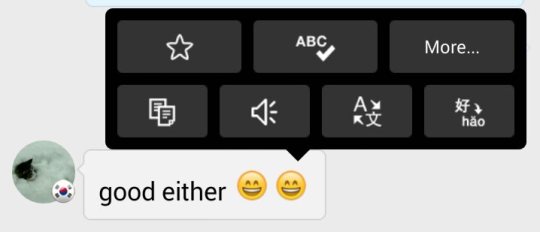
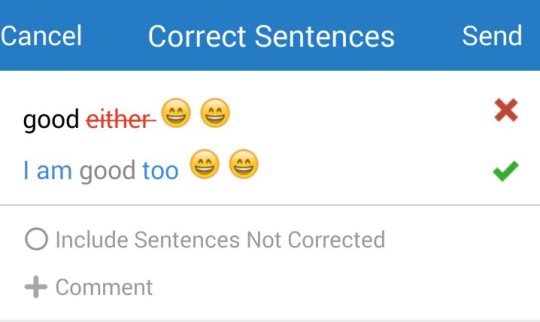
There are also a lot of helpful features to help your language exchange. You can save messages, provide corrections for each other (which is a really nice way to point out corrections without interrupting your conversation), and translate or hear an audio reading of messages.
They also provide free calls and all the other features of a good free chat app, just with a focus on language exchange which makes it one of the best apps I’ve used.



 Sutdy-Korean